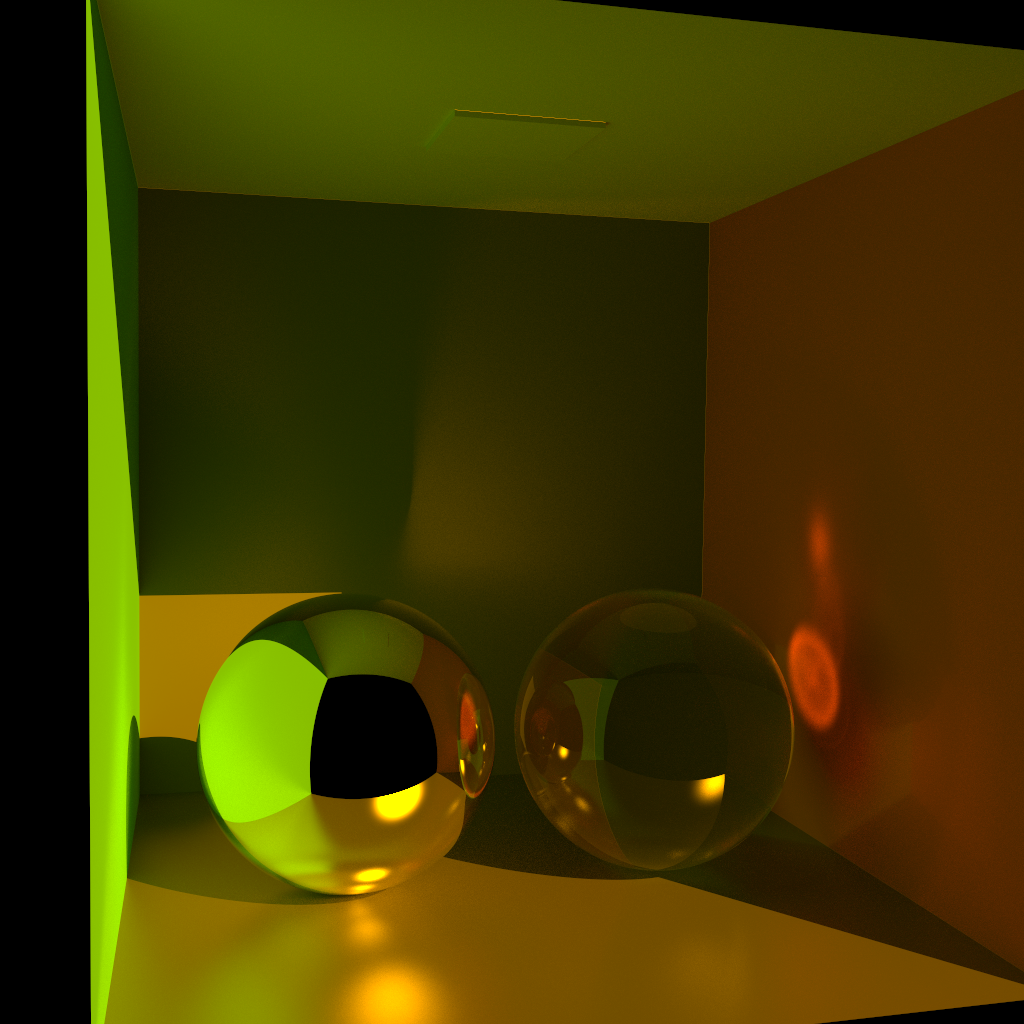
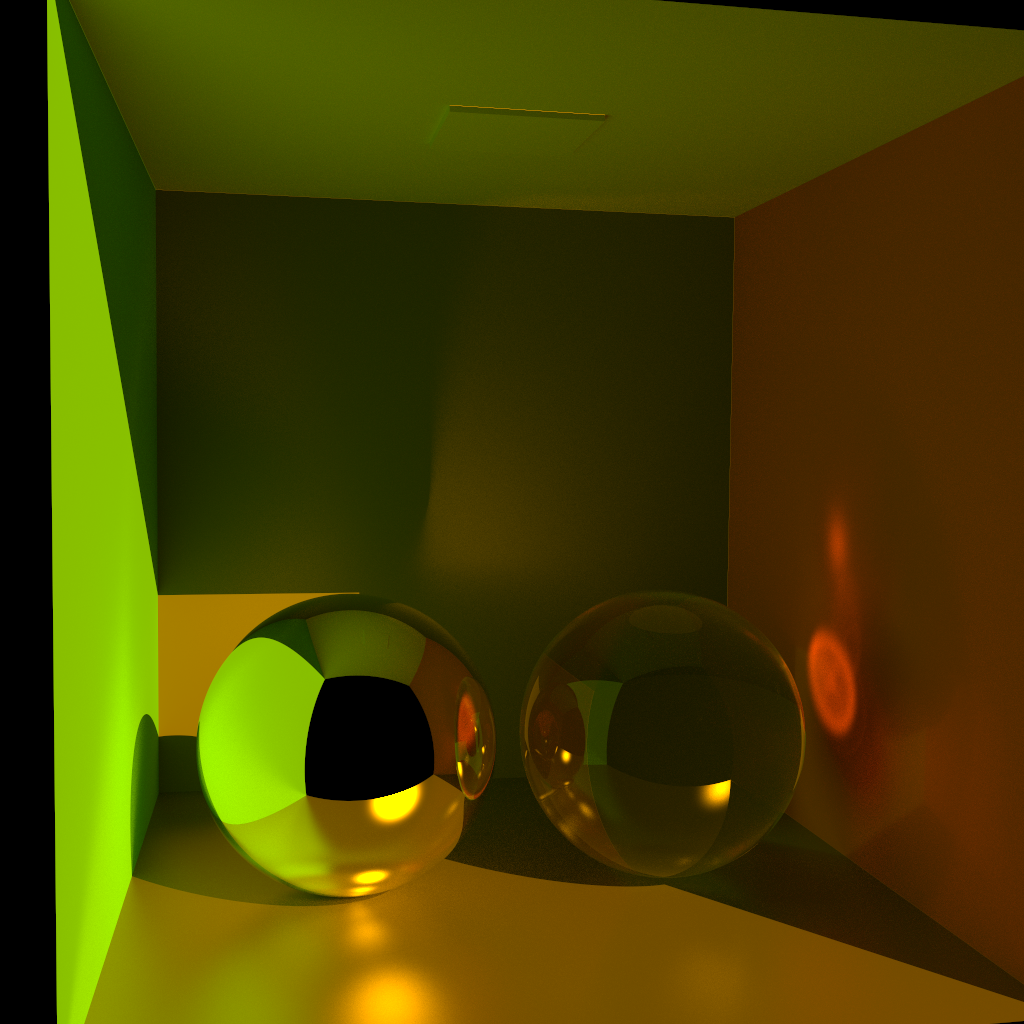
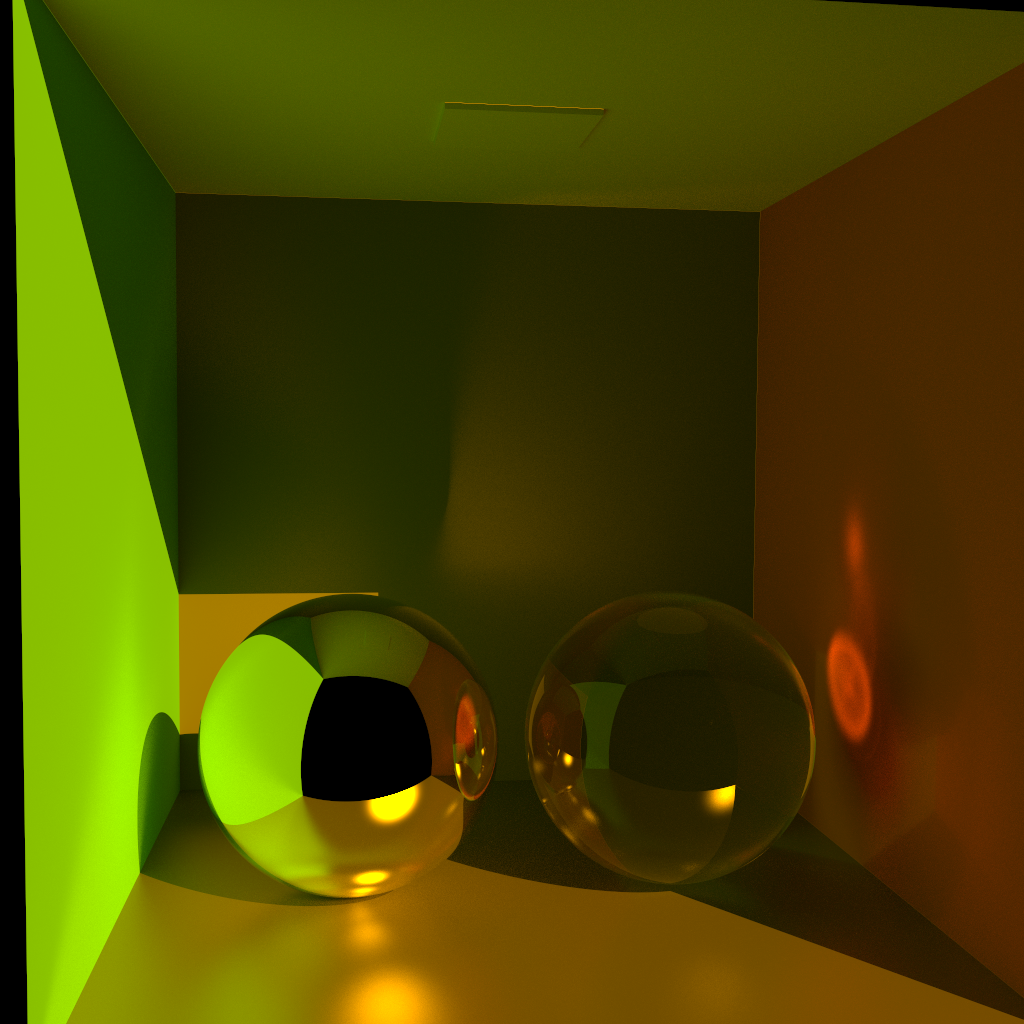
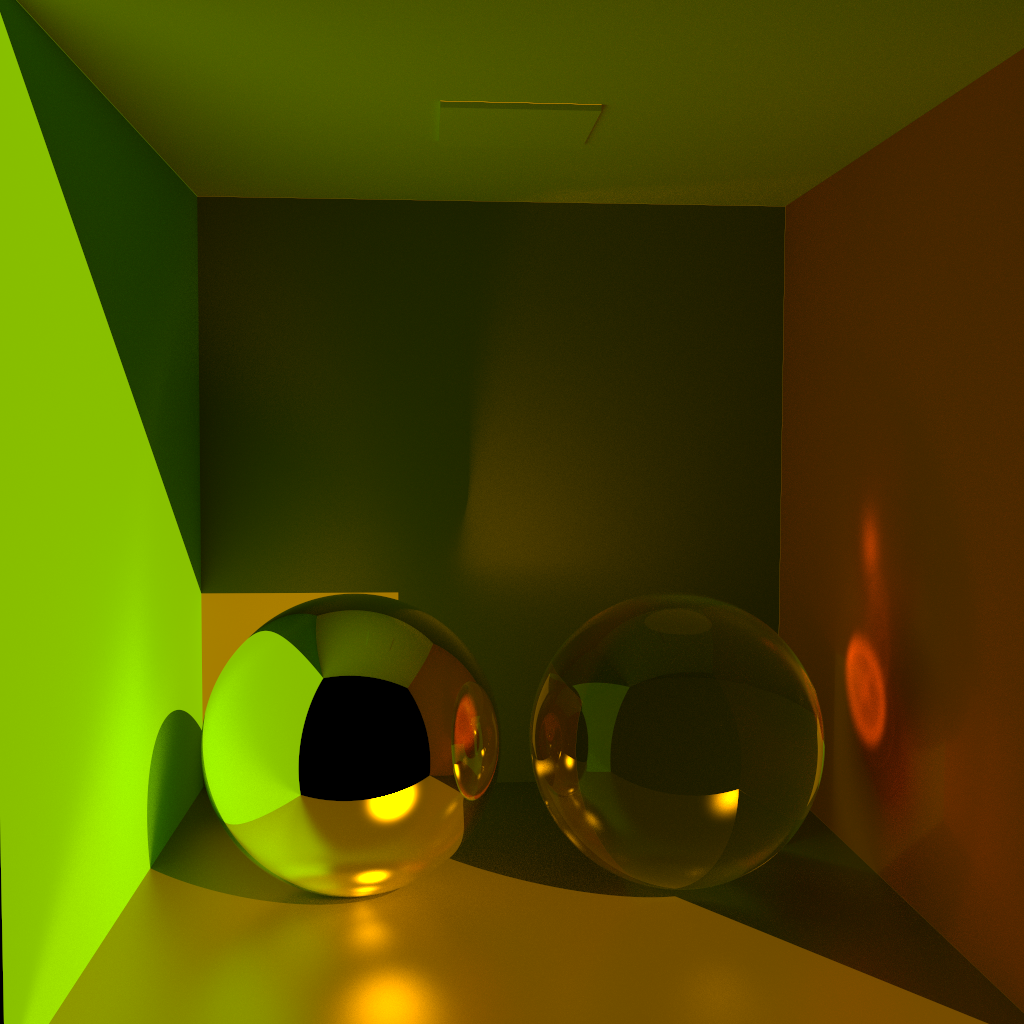
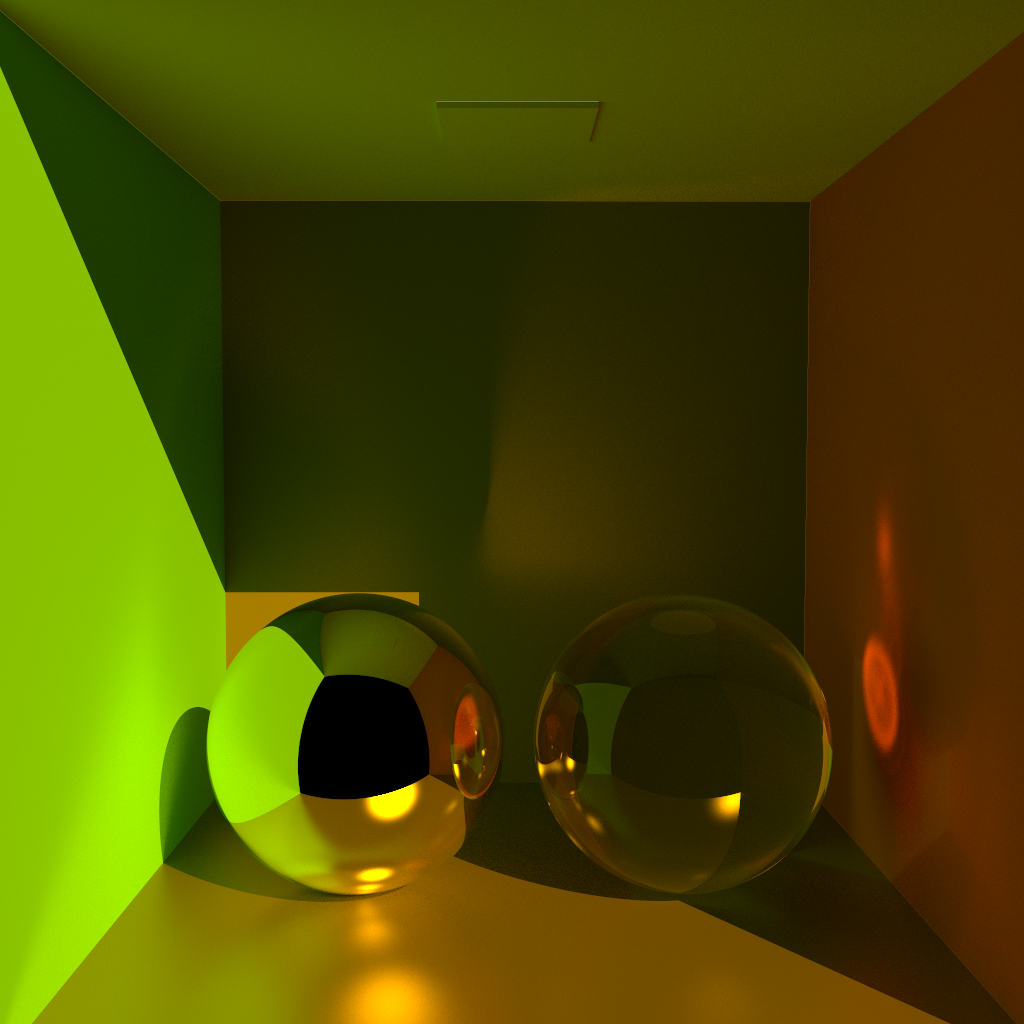
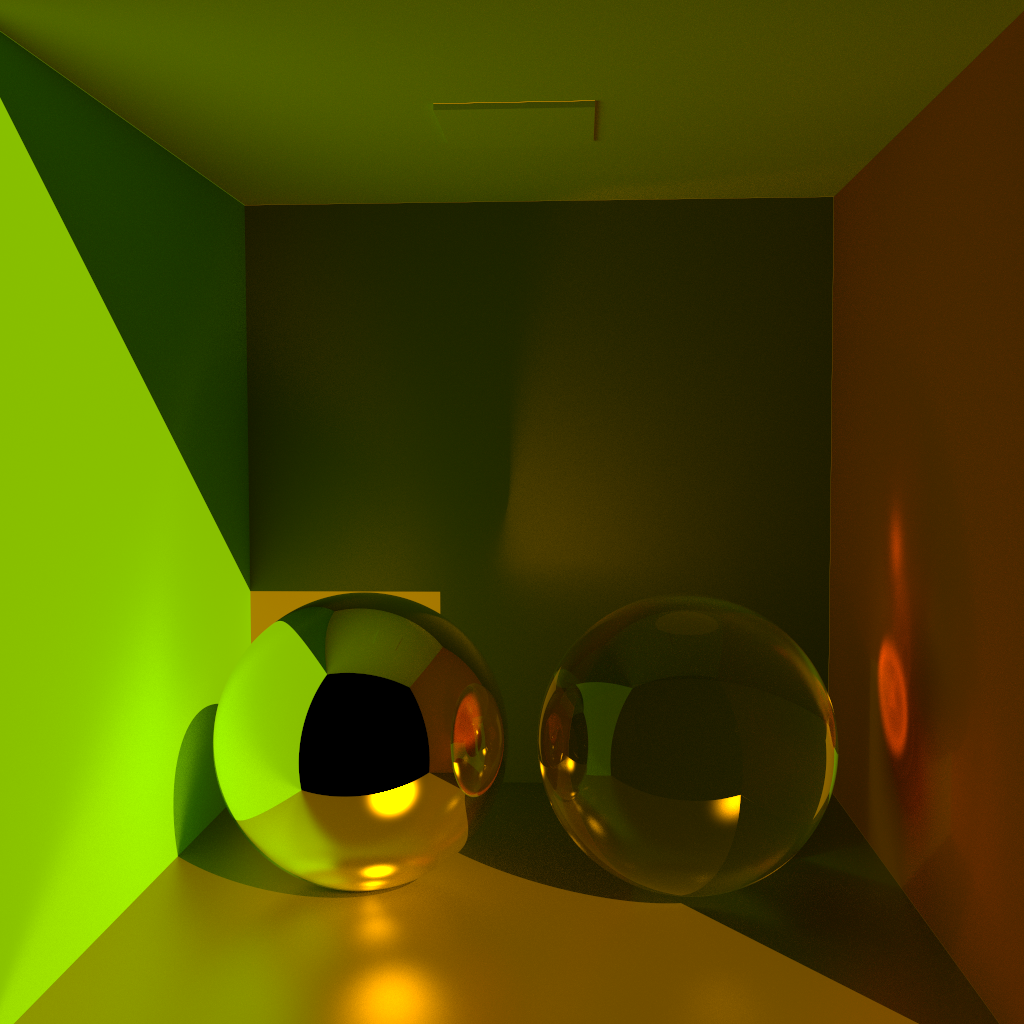
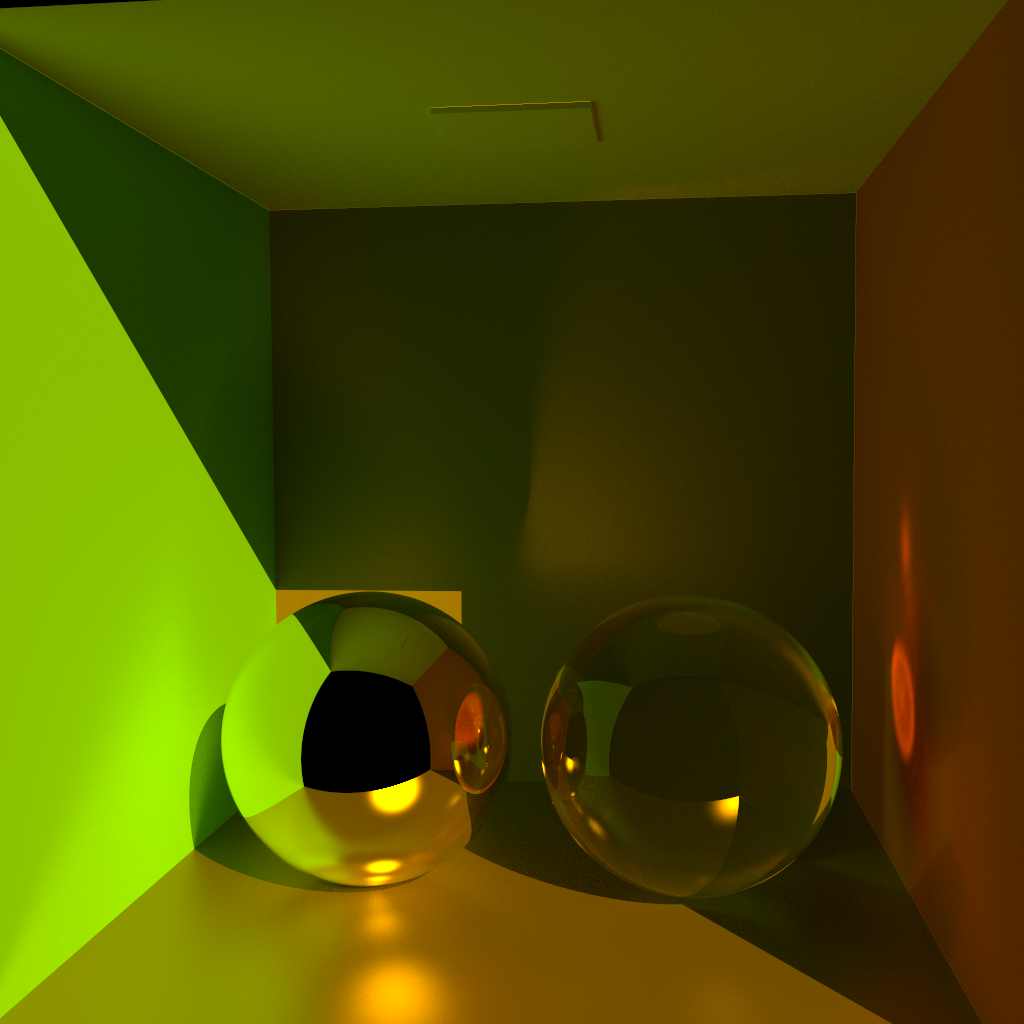
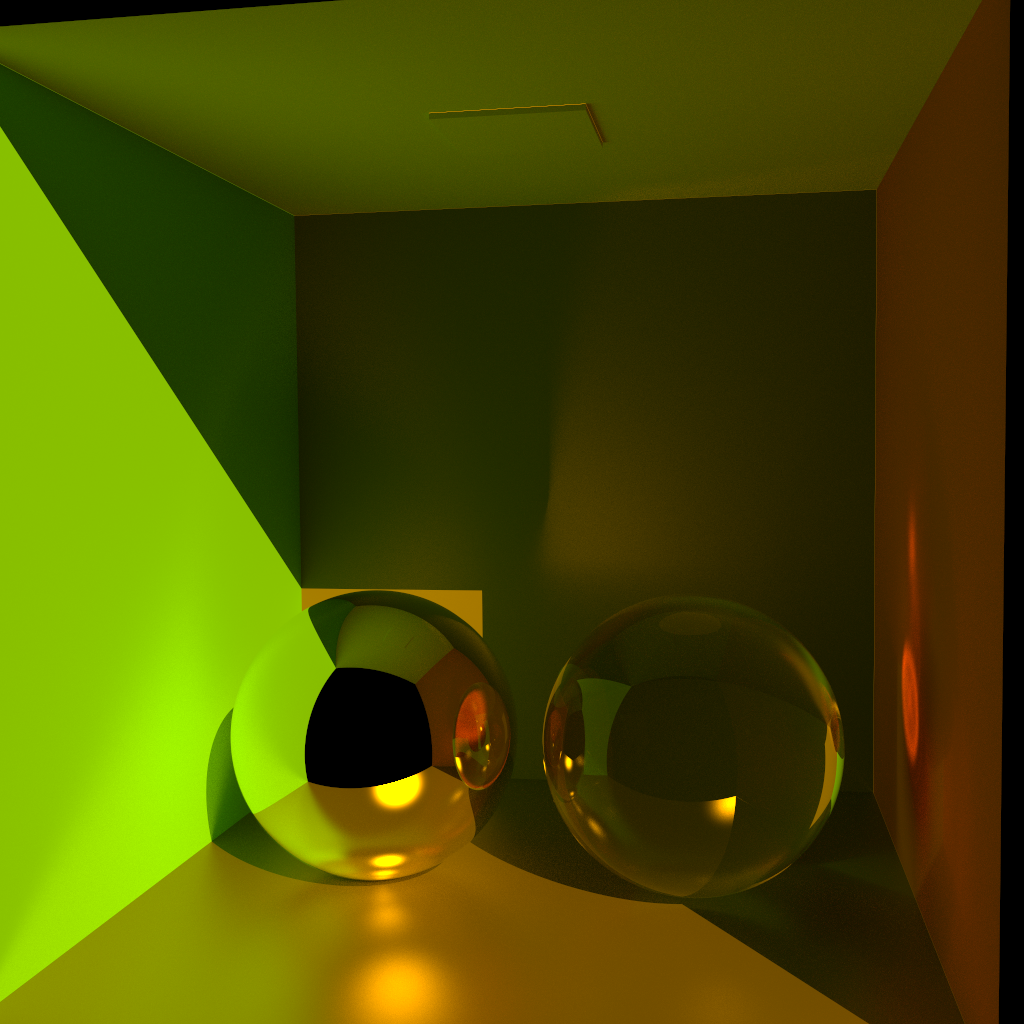
Adaptive Multi-View Path Tracing
Eurographics Symposium on Rendering 2019
Abstract
Rendering photo-realistic image sequences using path tracing and Monte Carlo integration often requires sampling a large number of paths to get converged results. In the context of rendering multiple views or animated sequences, such sampling can be highly redundant. Several methods have been developed to share sampled paths between spatially or temporarily similar views. However, such sharing is challenging since it can lead to bias in the final images. Our contribution is a Monte Carlo sampling technique which generates paths, taking into account several cameras. First, we sample the scene from all the cameras to generate hit points. Then, an importance sampling technique generates bouncing directions which are shared by a subset of cameras. This set of hit points and bouncing directions is then used within a regular path tracing solution. For animated scenes, paths remain valid for a fixed time only, but sharing can still occur between cameras as long as their exposure time intervals overlap. We show that our technique generates less noise than regular path tracing and does not introduce noticeable bias.
Citation
BibTeX
@inproceedings{fraboni:hal-02279950,
  title        = {{Adaptive multi-view path tracing}},
  author       = {Fraboni, Basile and Iehl, Jean-Claude and Nivoliers, Vincent and Bouchard, Guillaume},
  booktitle    = {{EGSR 2019 - Eurographics Symposium on Rendering}},
  address      = {Strasbourg, France},
  editor       = {Boubekeur, Tamy and Sen, Pradeep},
  year         = {2019},
  publisher    = {The Eurographics Association},
  doi          = {10.2312/sr.20191217},
  url          = {https://diglib.eg.org/handle/10.2312/sr20191217},
  pdf          = {https://diglib.eg.org/bitstream/handle/10.2312/sr20191217/017-025.pdf},
  hal_id       = {hal-02279950}
}
Example sequence #1
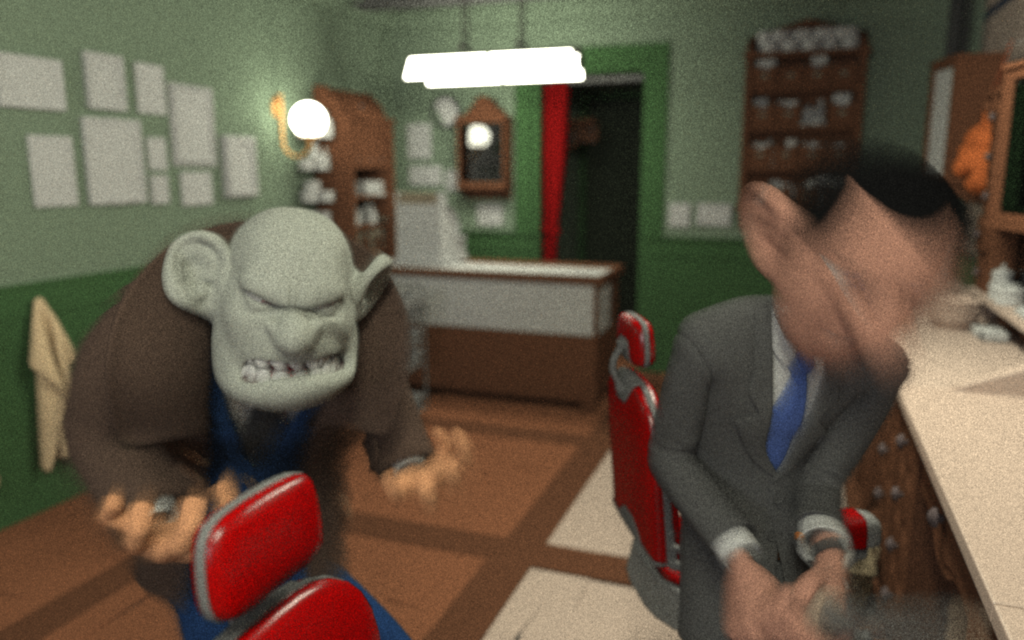
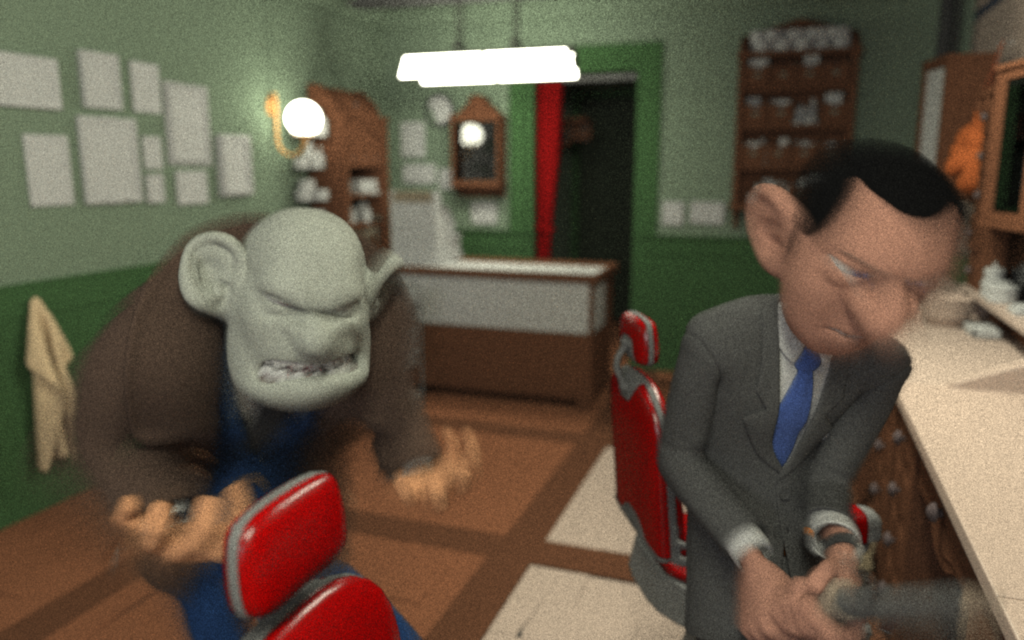
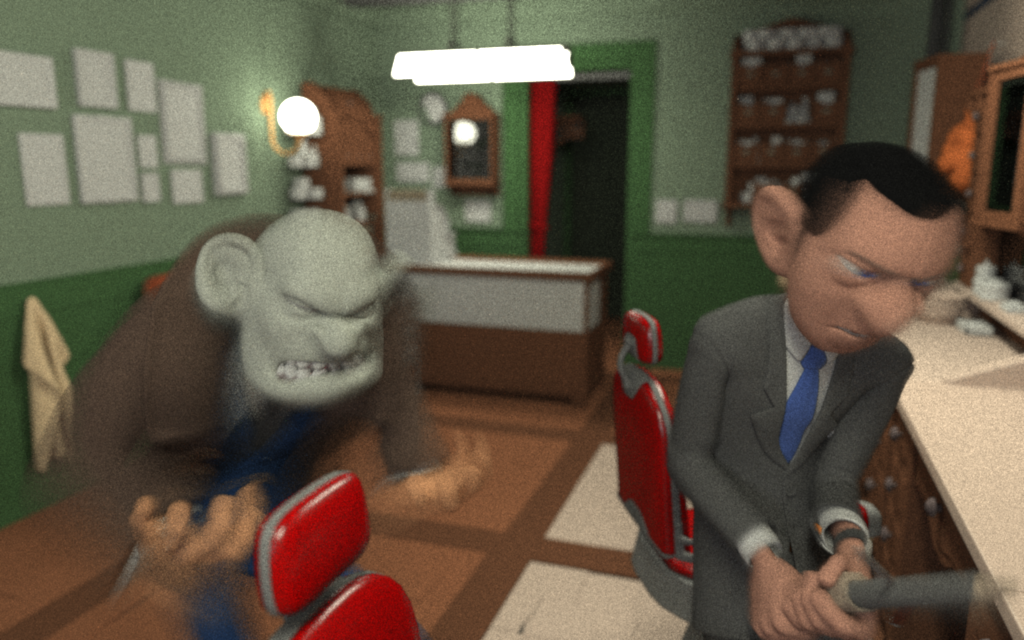
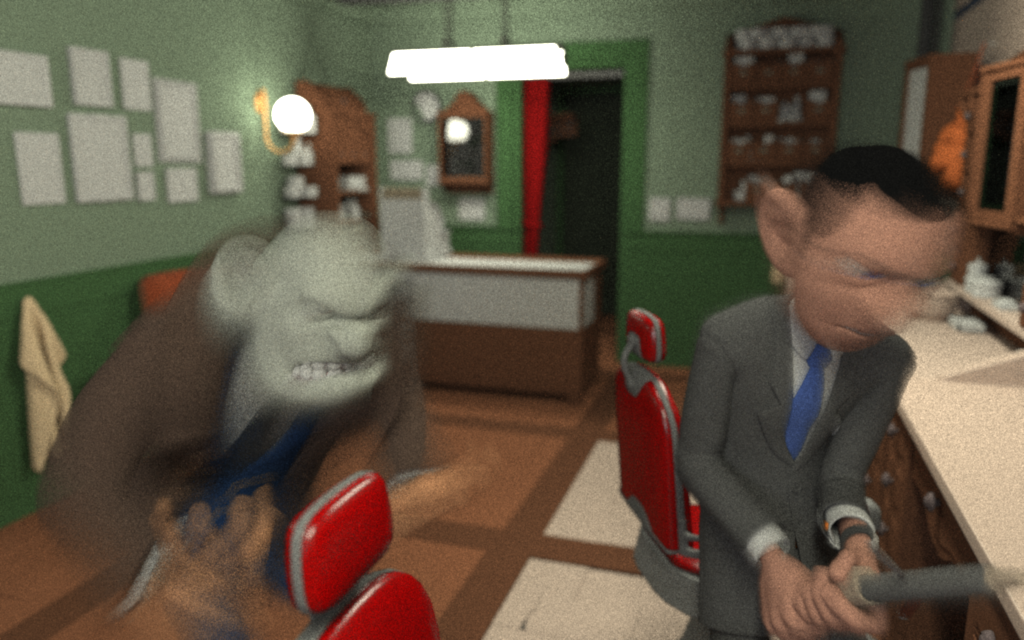
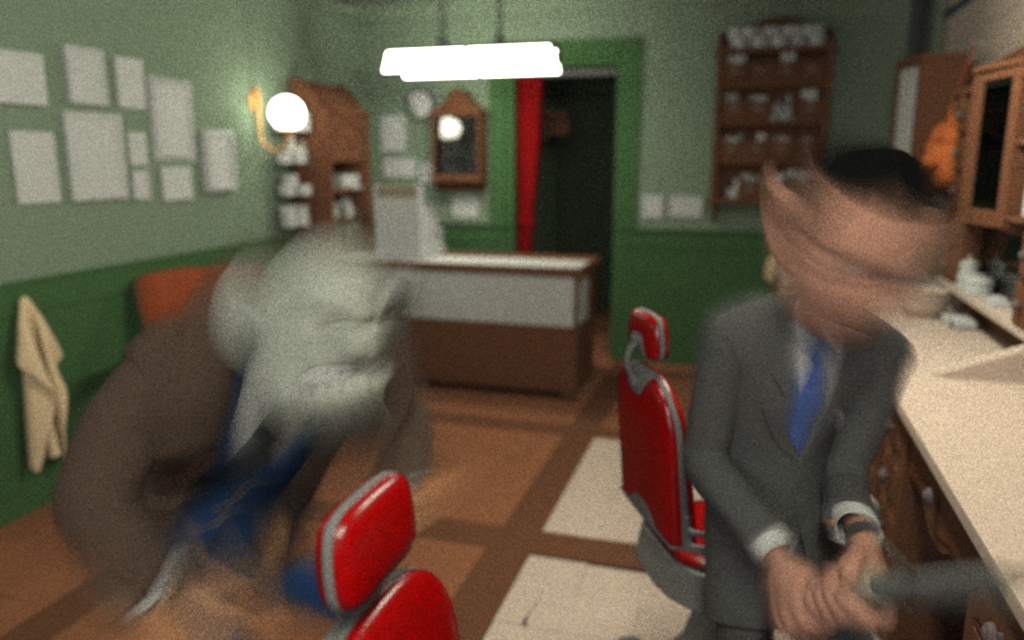
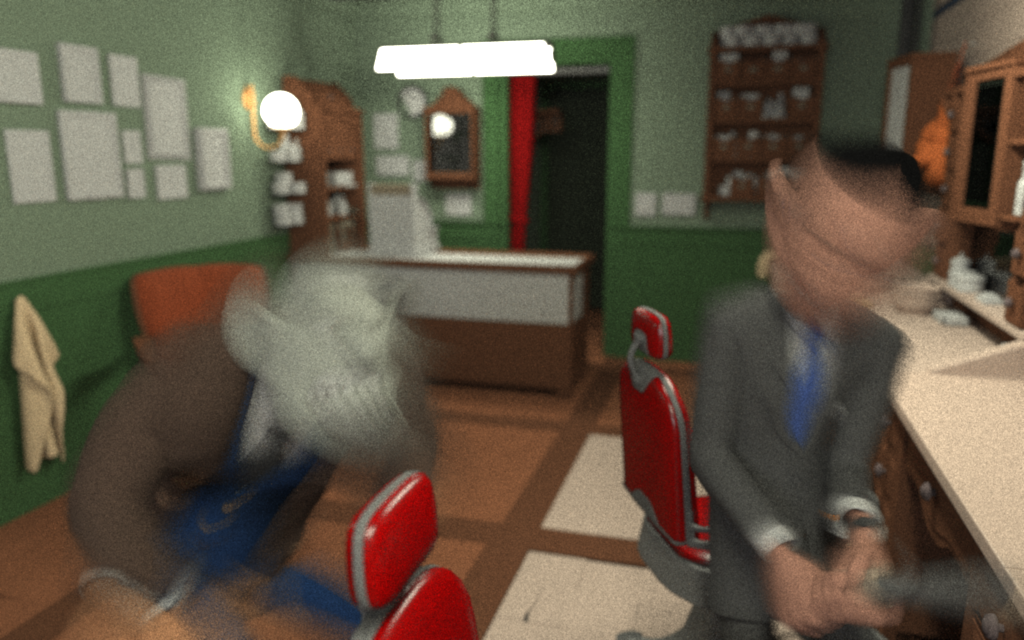
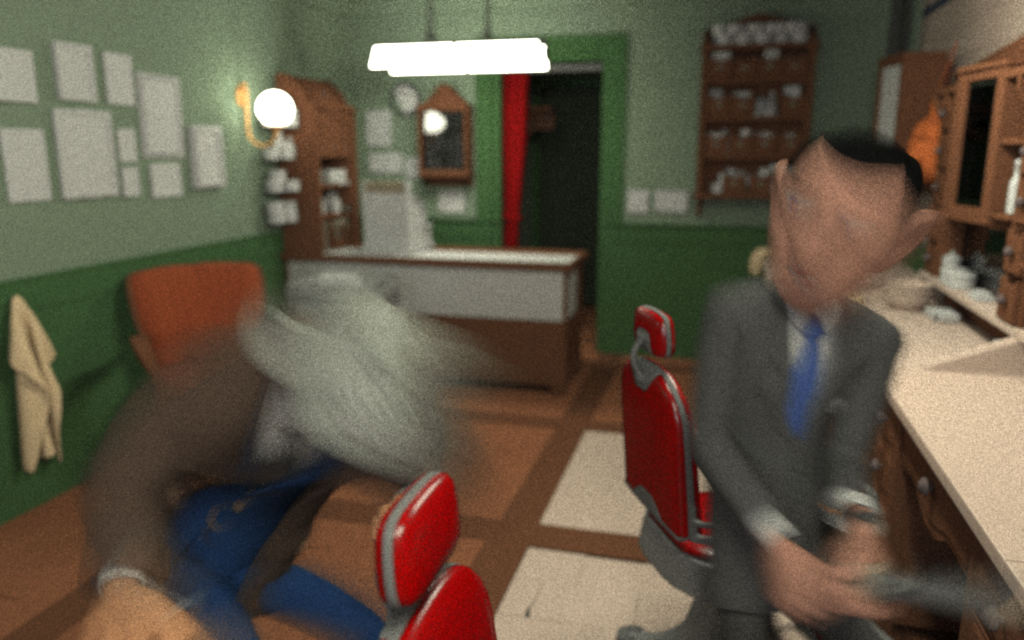
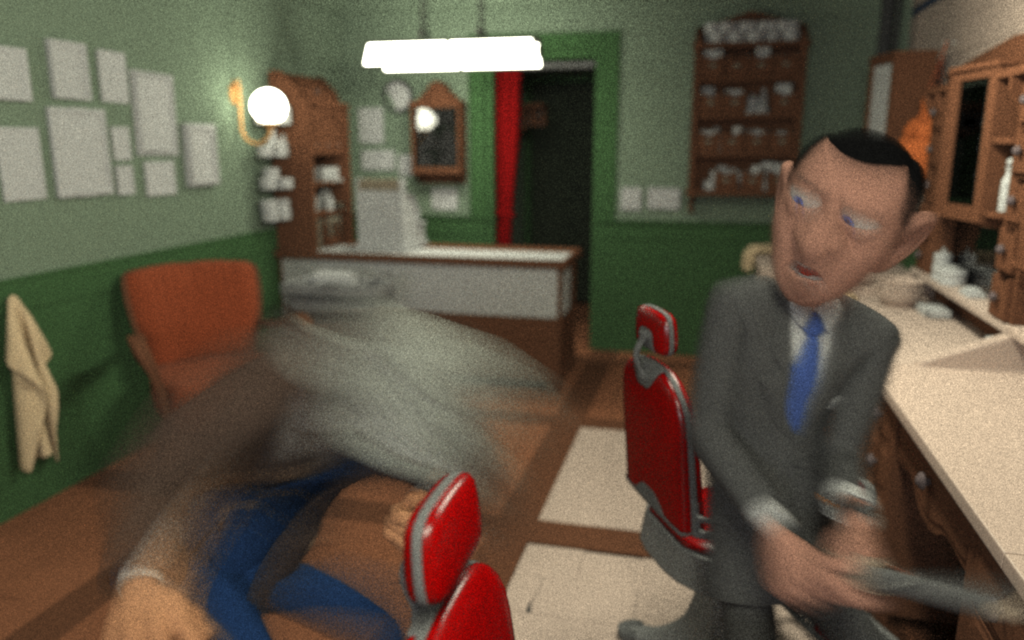
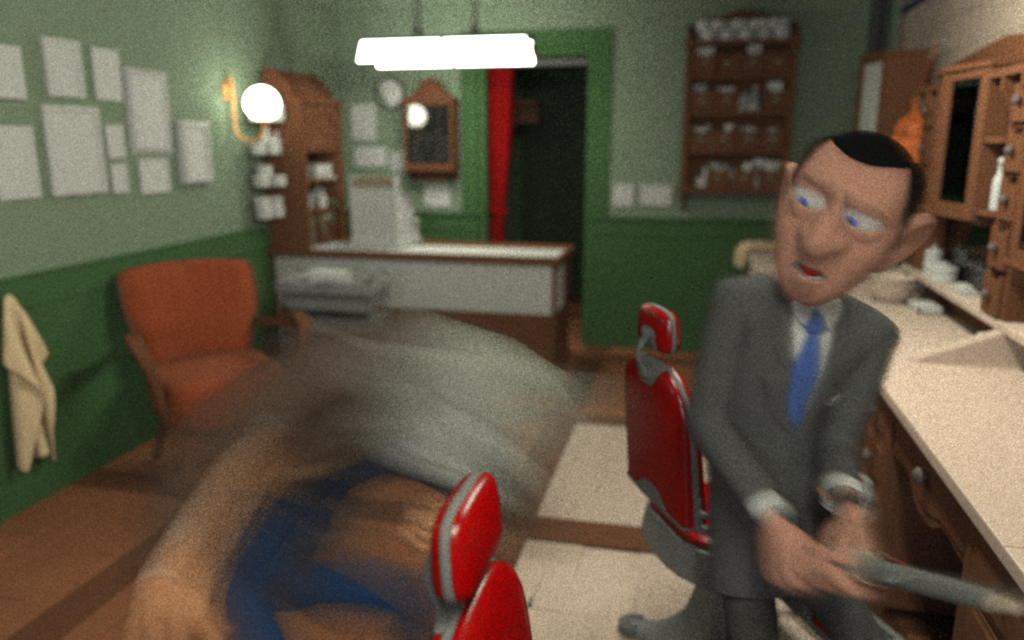
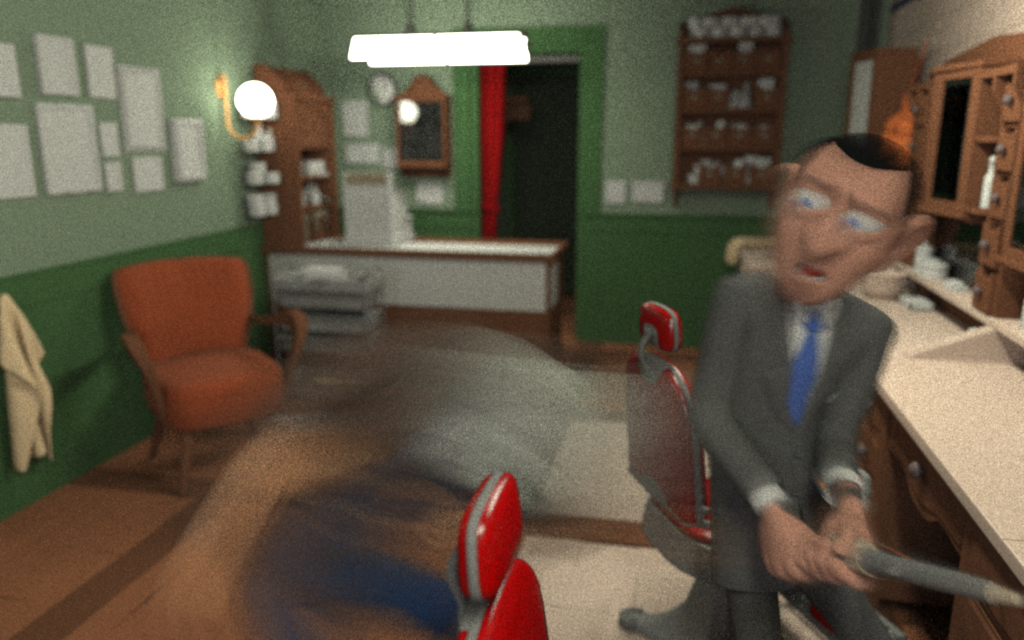
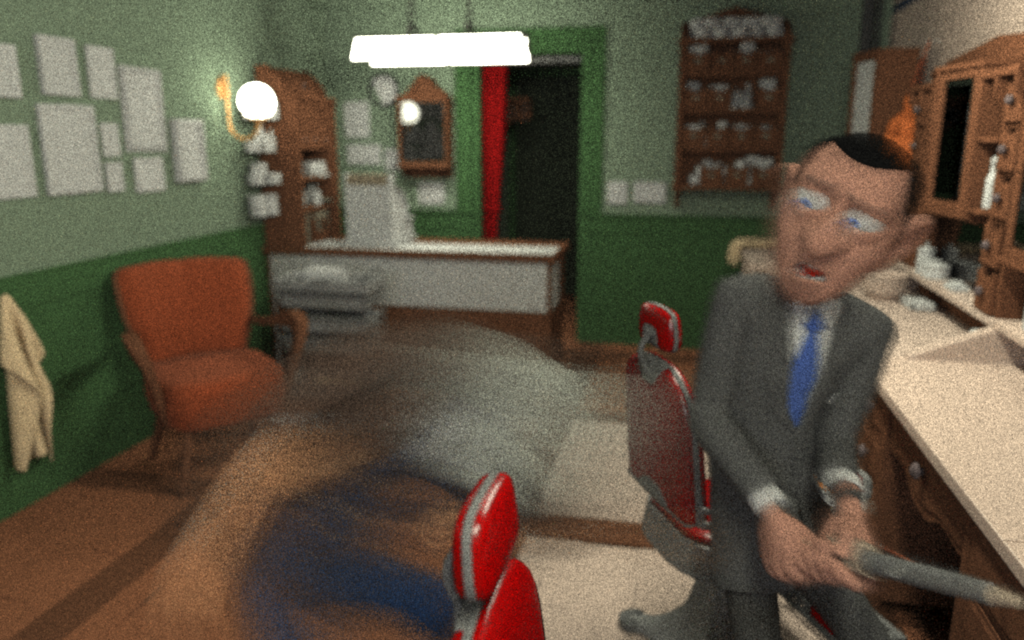
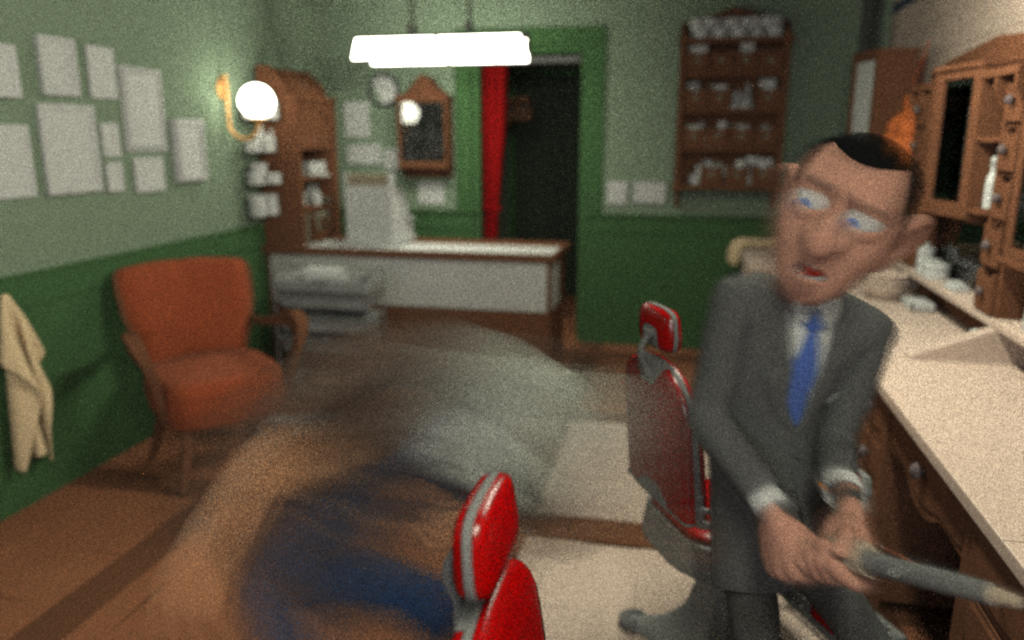
The following sequence is made of 100 frames. The sequence is a shot extracted from the Blender open movie Agent 327 made freely available by the Blender Institute. The standard method renders each frame independently. Our methods jointly renders all the frames, and shares paths between frames with overlapping exposure intervals. Our algorithm both reduces the variance and the perceived flickering for the same computation budget.
Total time budget 4000 seconds (40 seconds / frame) for the whole sequence
Video comparison
Single frame comparison
Example sequence #2
The following sequence shows 100 frames of a custom Cornell Box, with fast moving cubes and glossy materials. This sequence is complex to render since cameras may see tangent geometry while cubes are moving, which implies large variations of the Jacobian and temporal visibility changes. The flickering reduction is particularly visible on the ceiling.
Example sequence #3
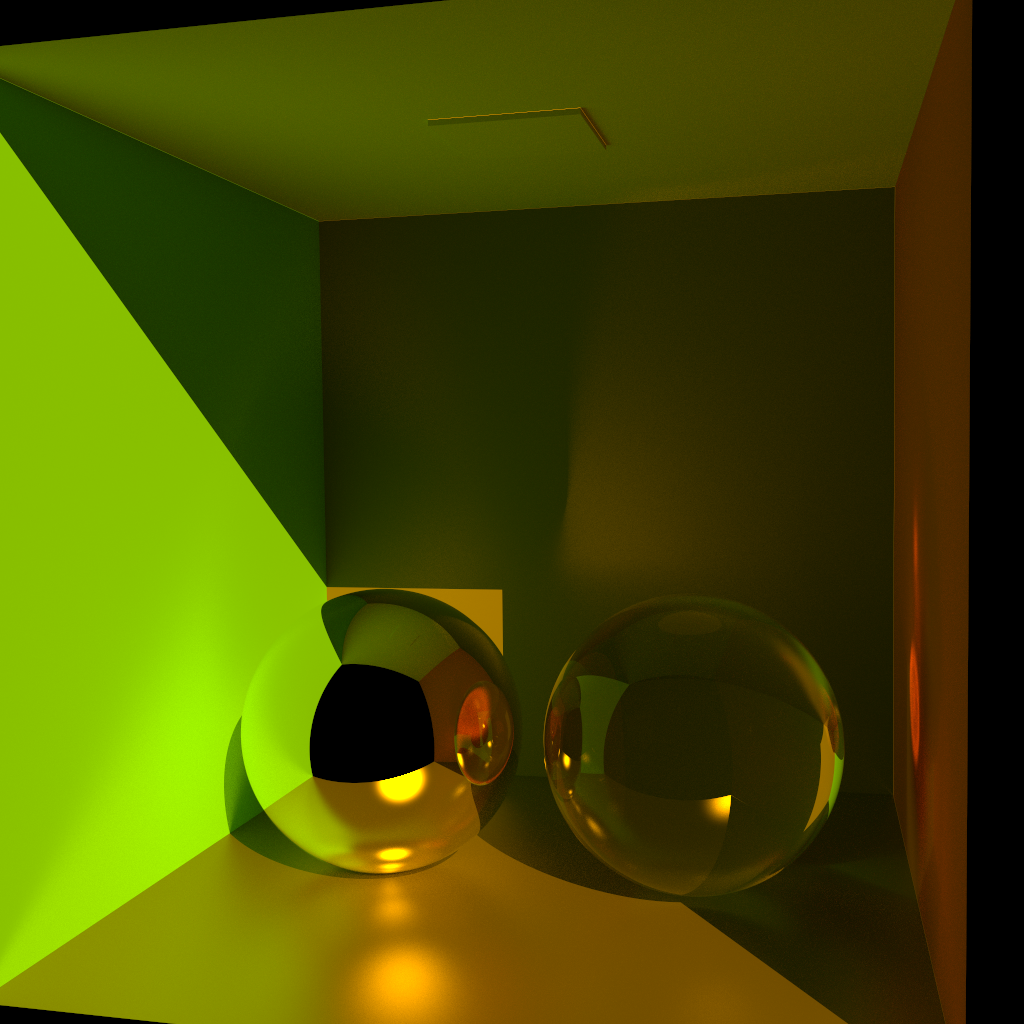
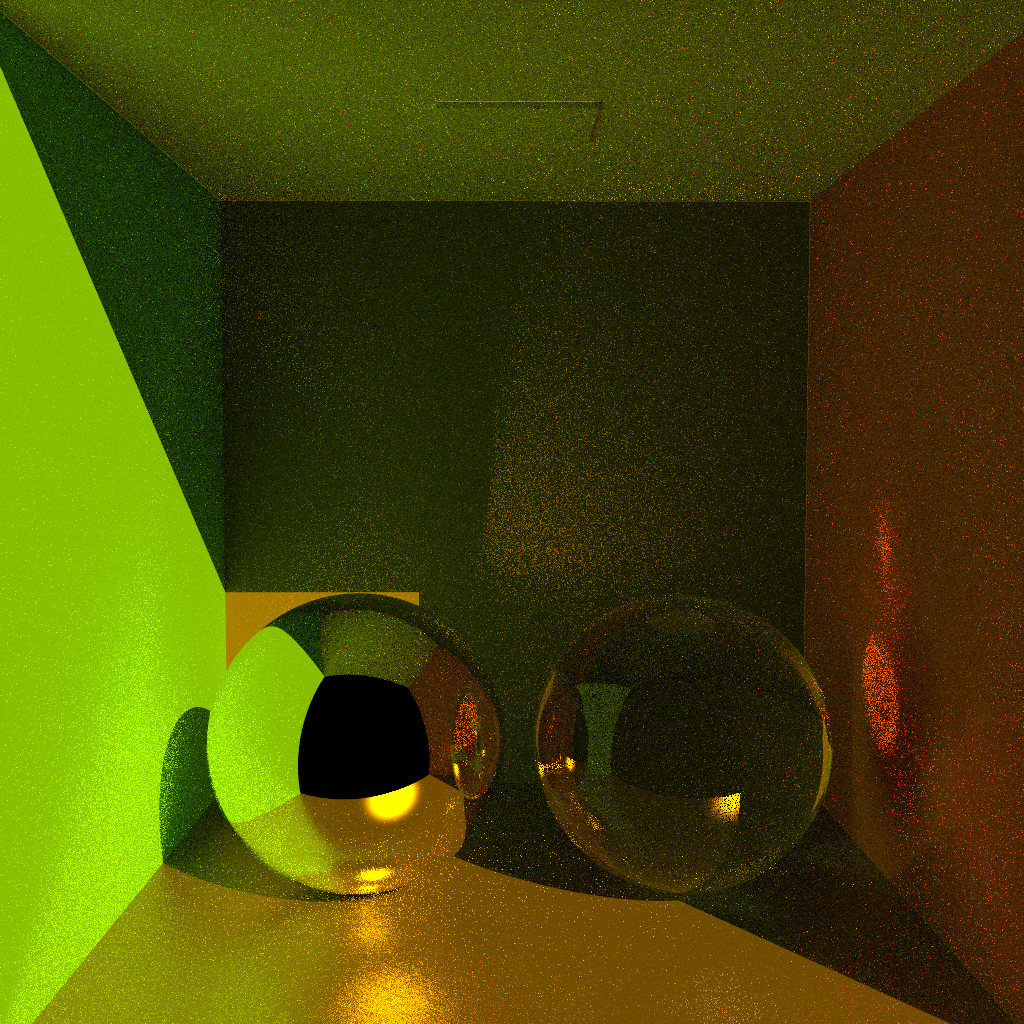
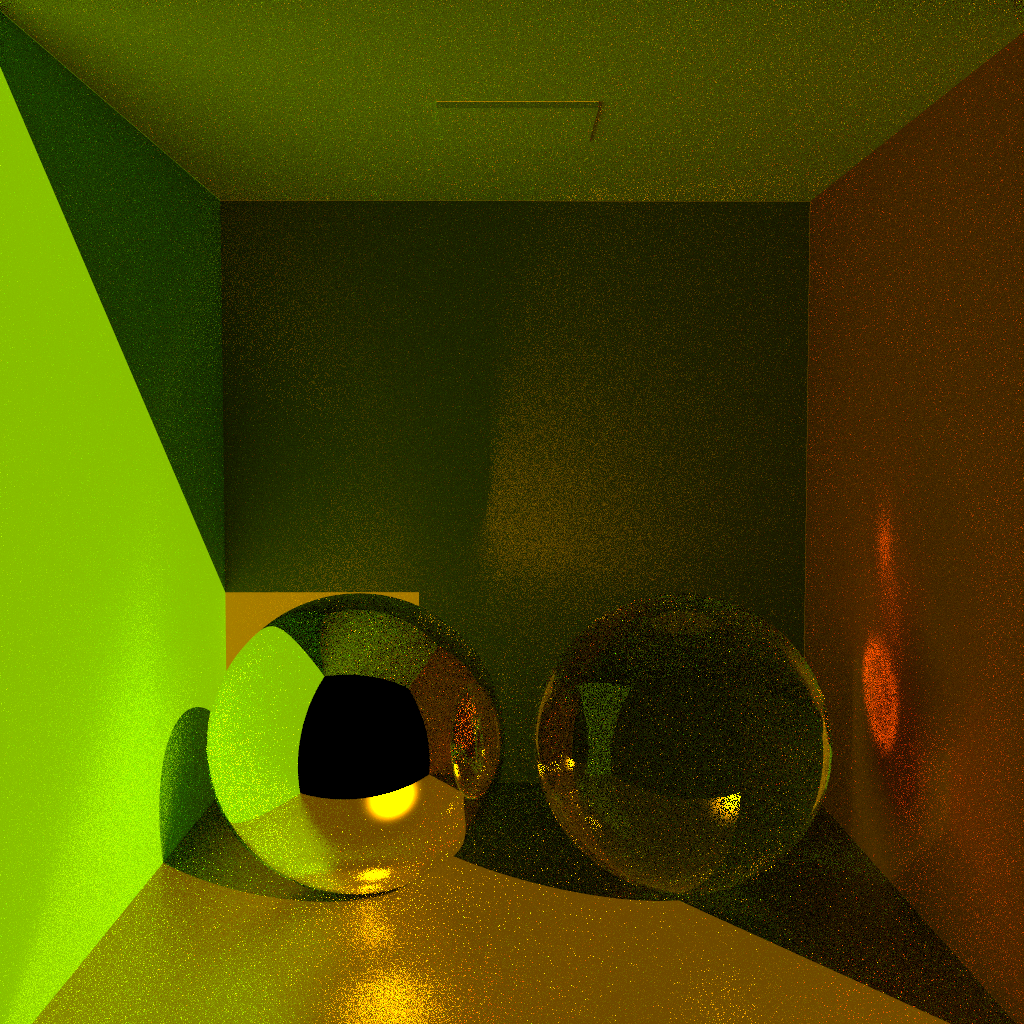
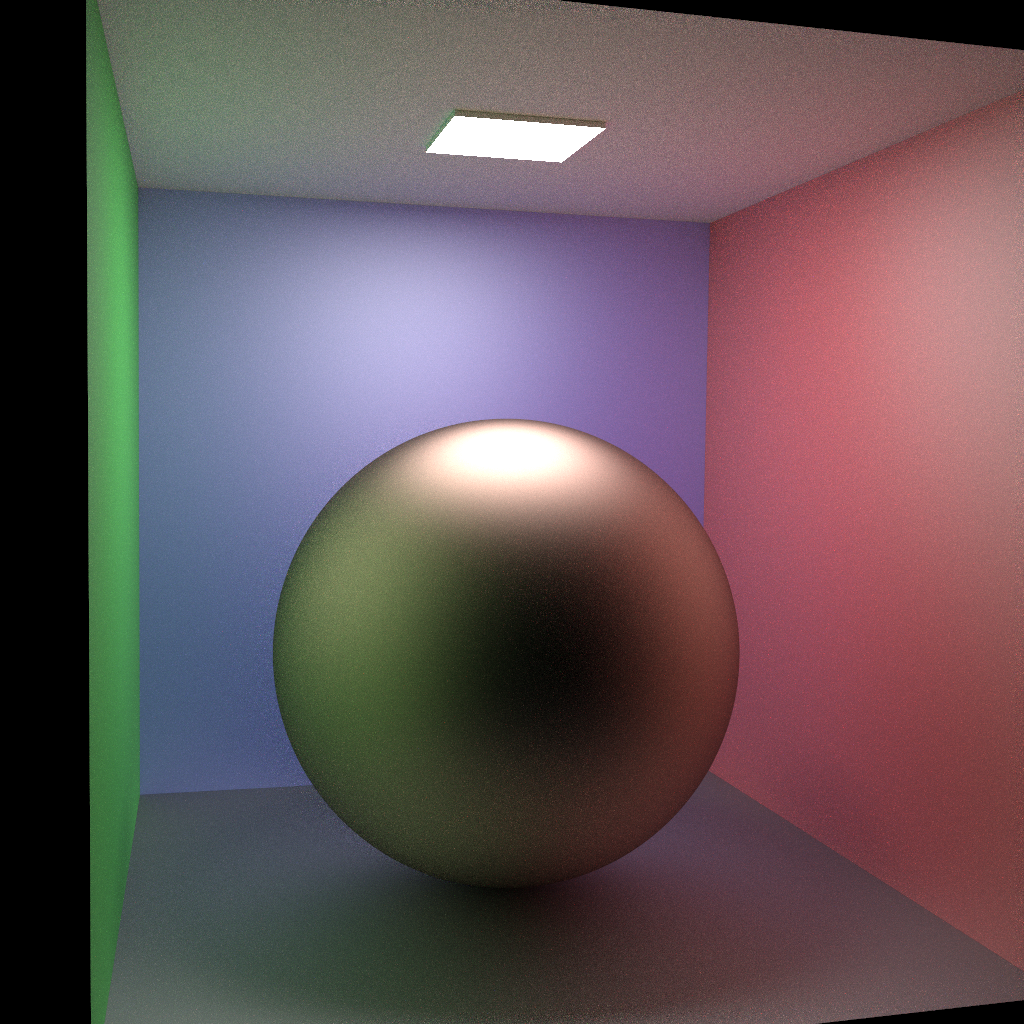
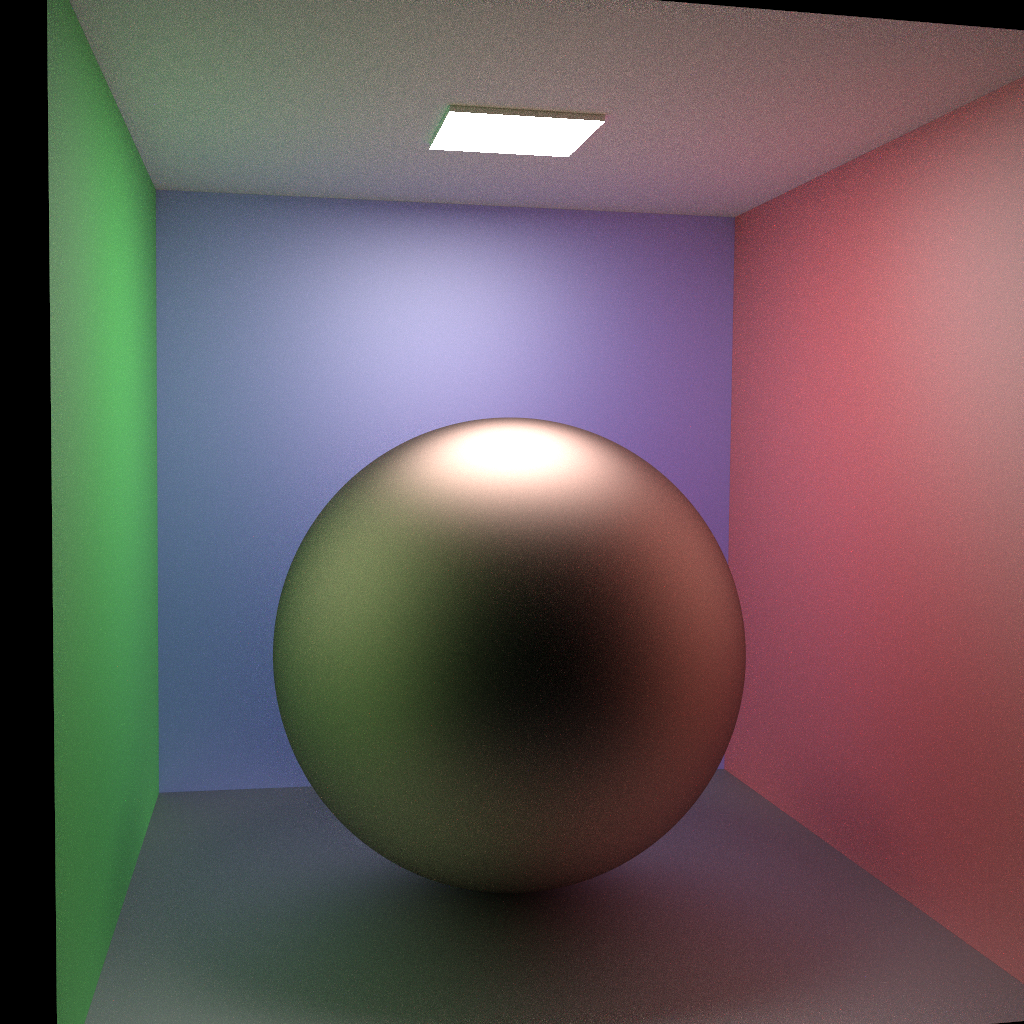
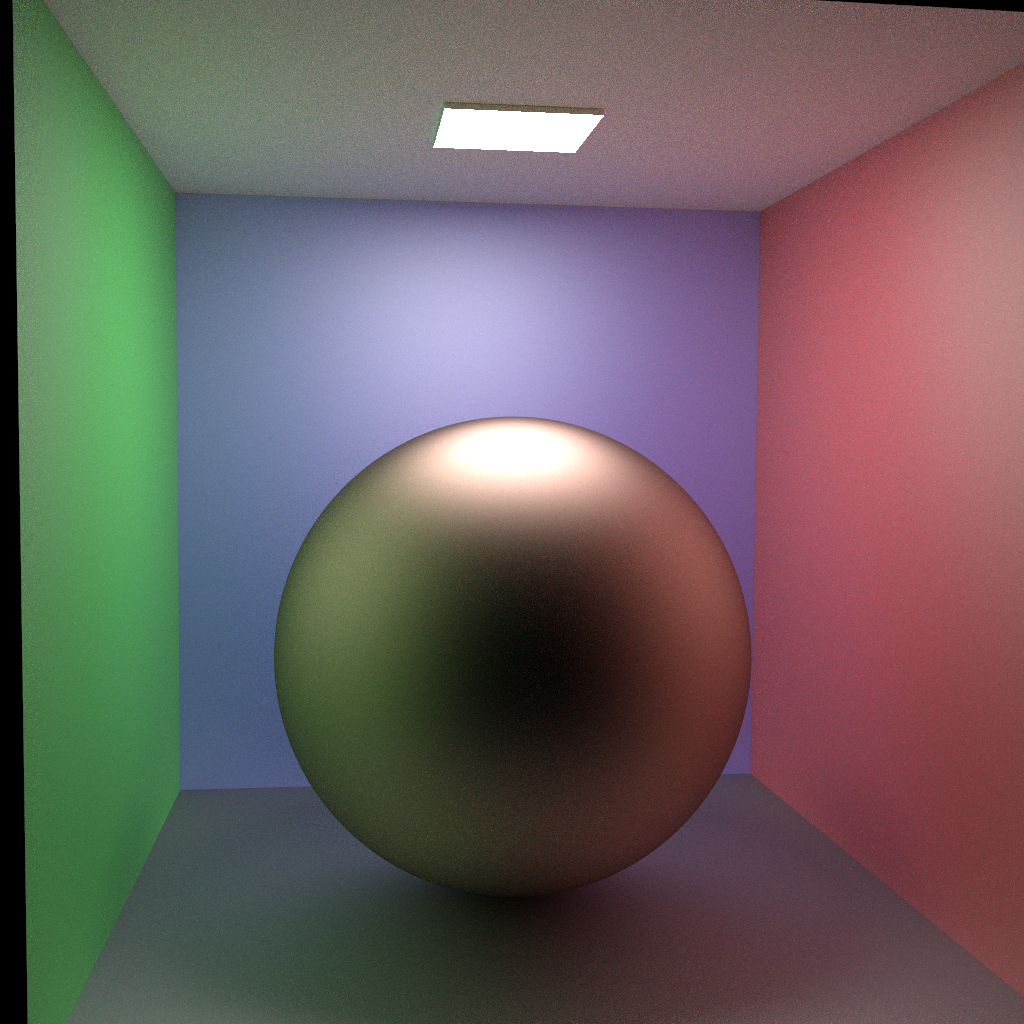
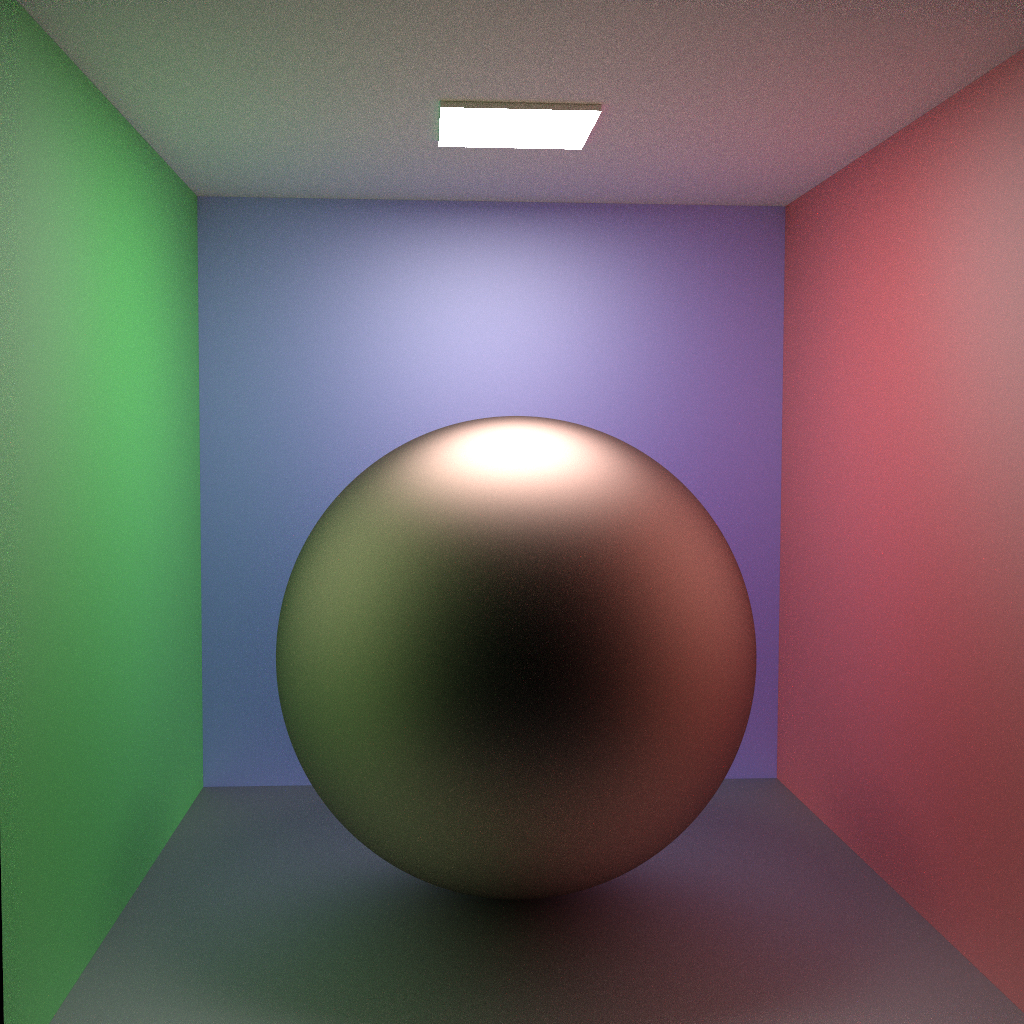
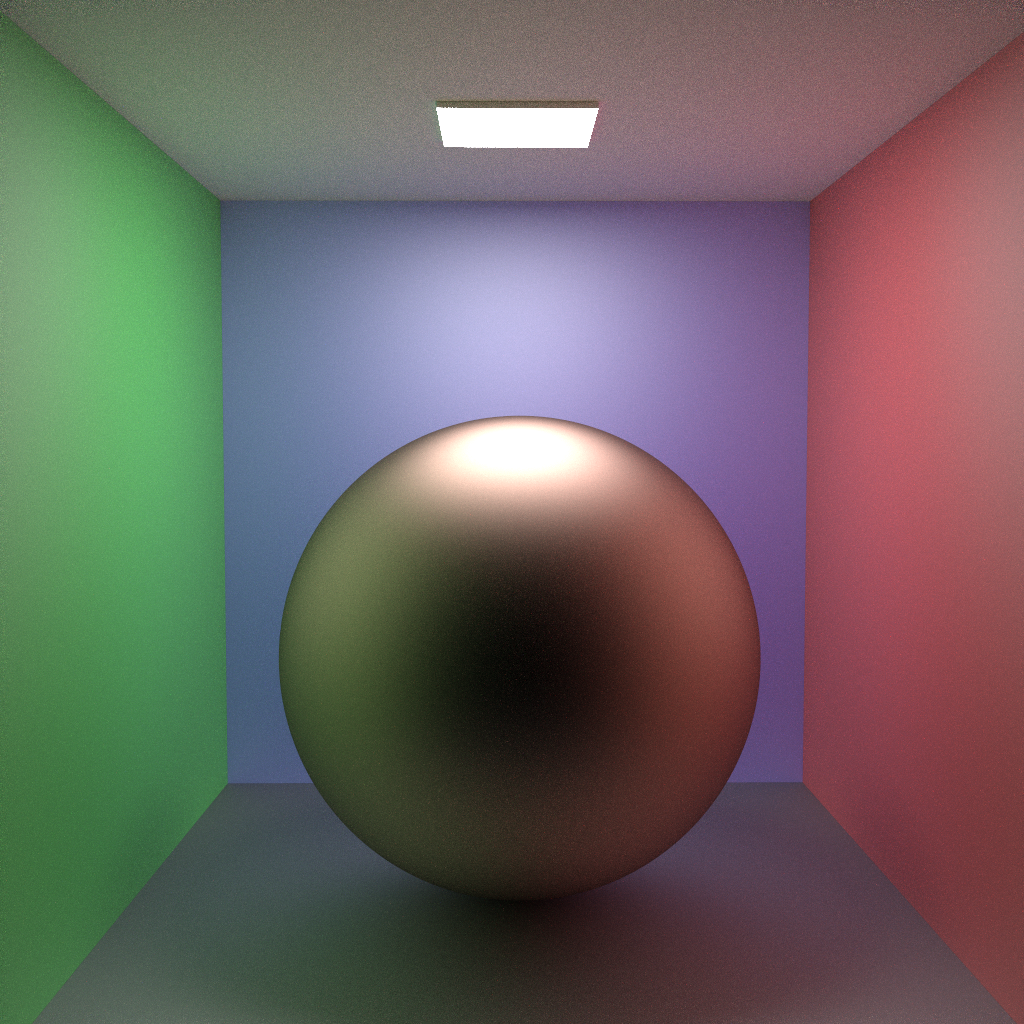
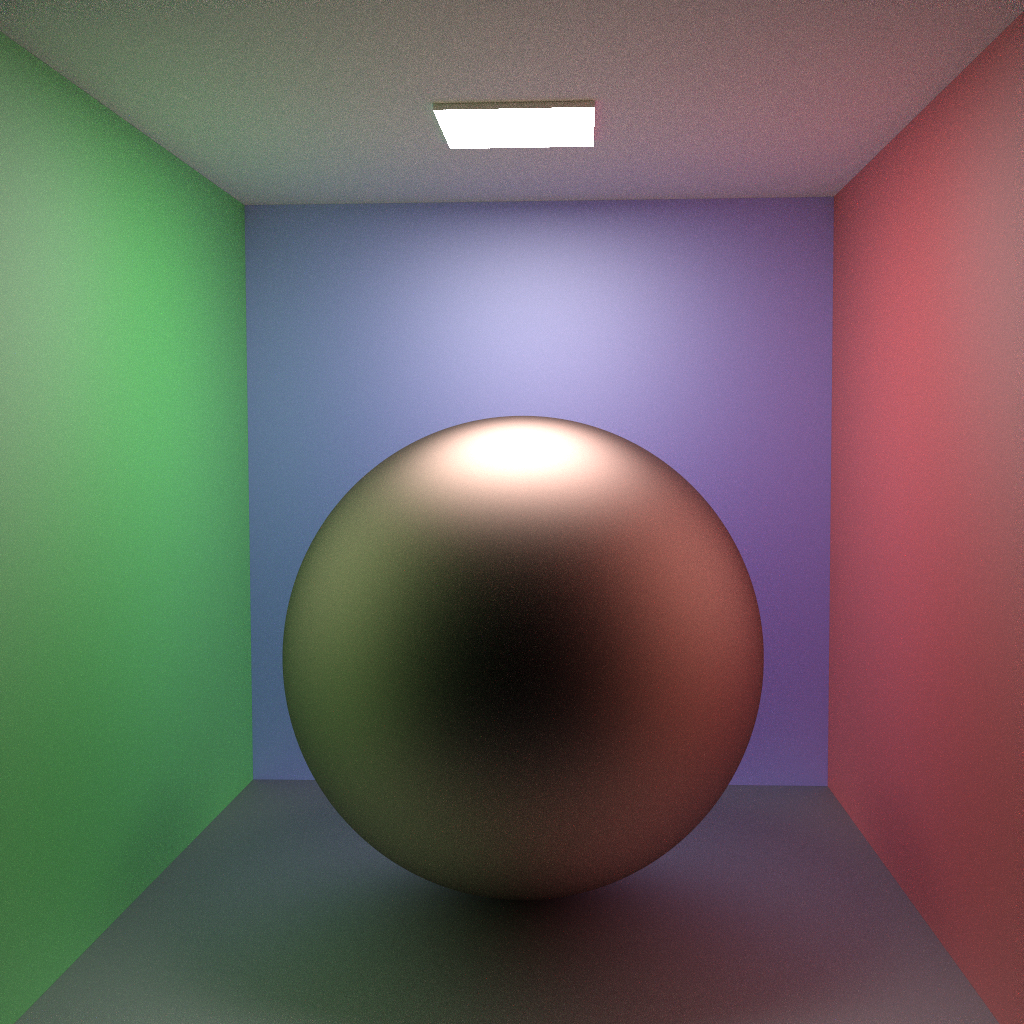
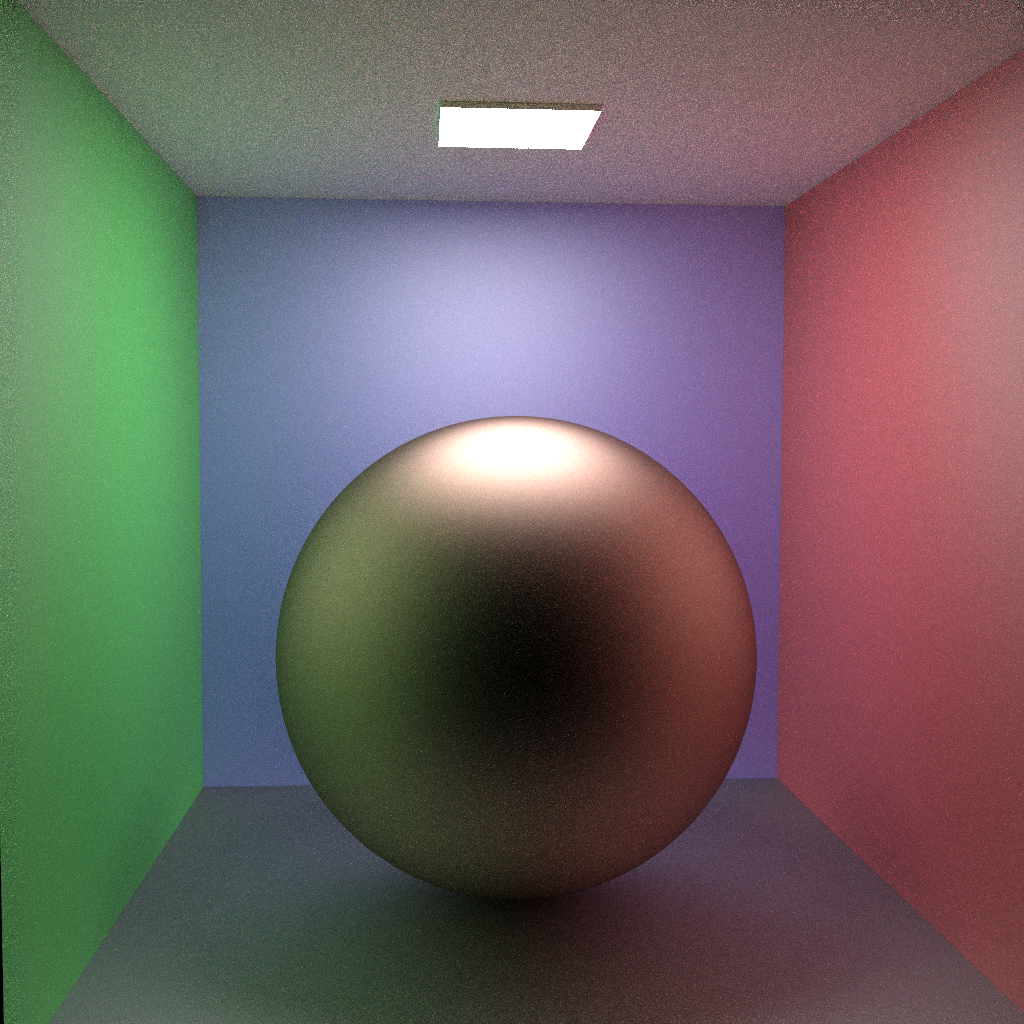
Comparison on a 9 images sequence of a static scene with slightly glossy materials.
Example sequence #4
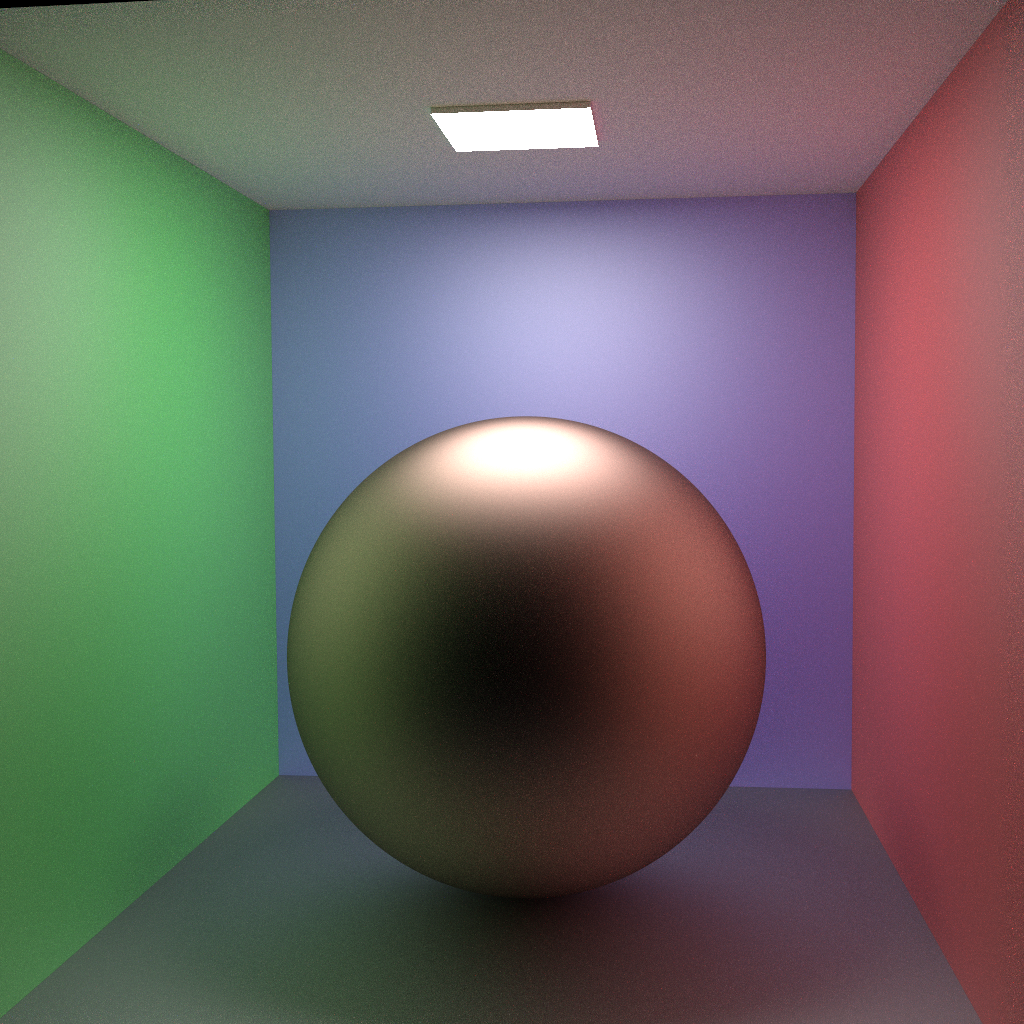
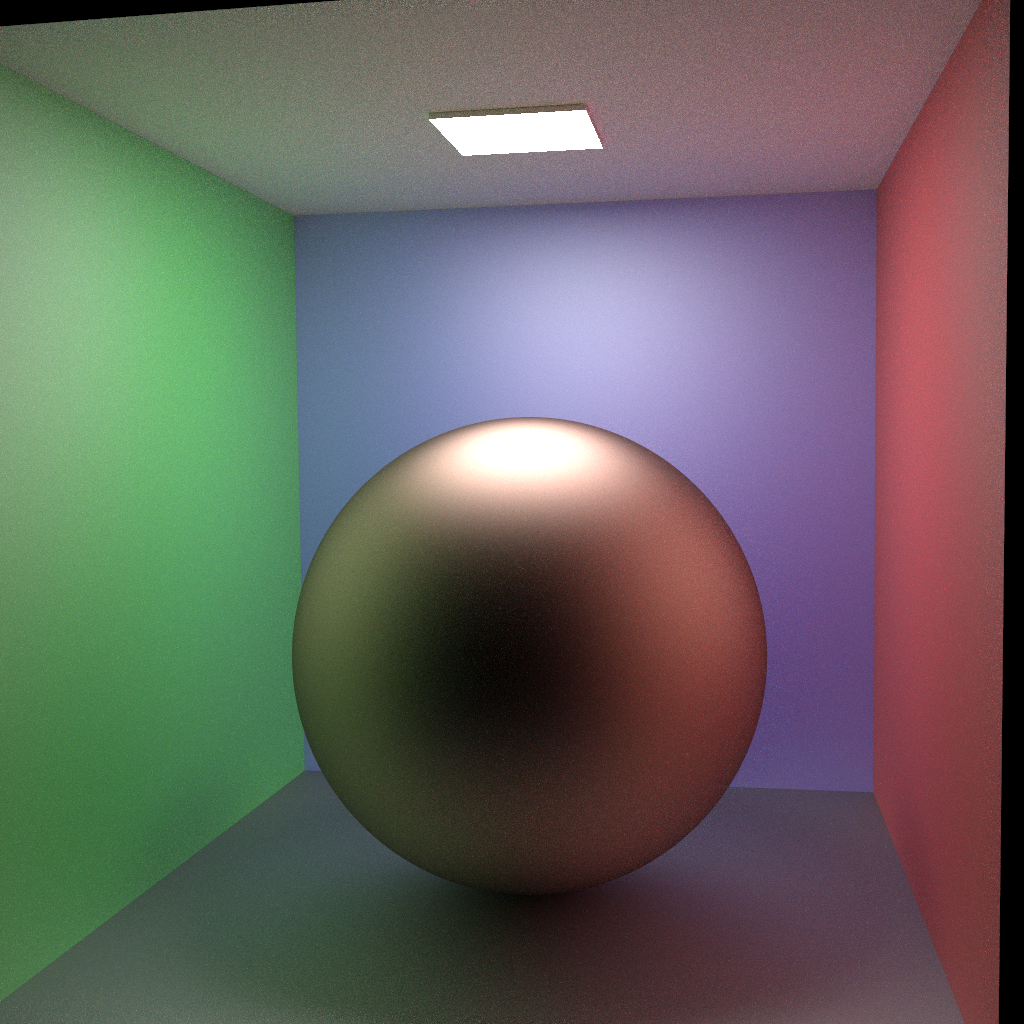
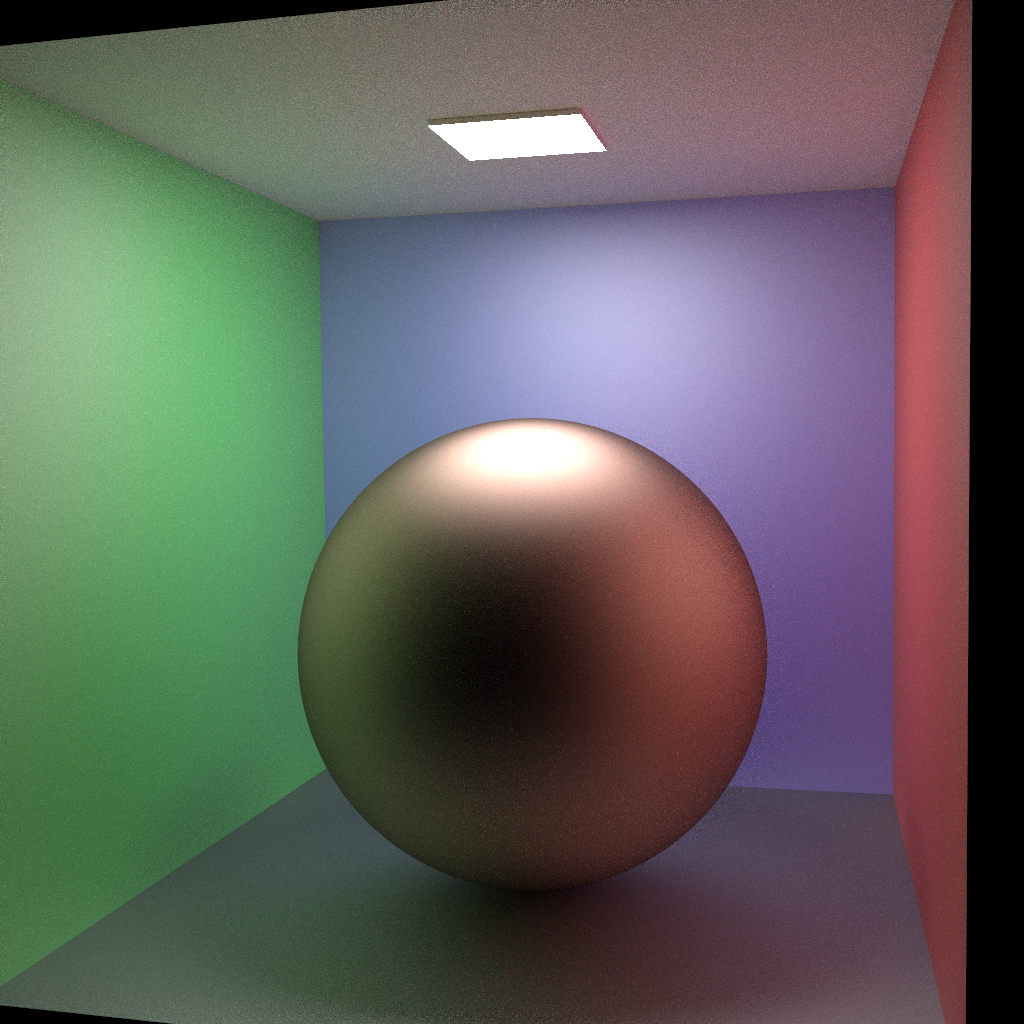
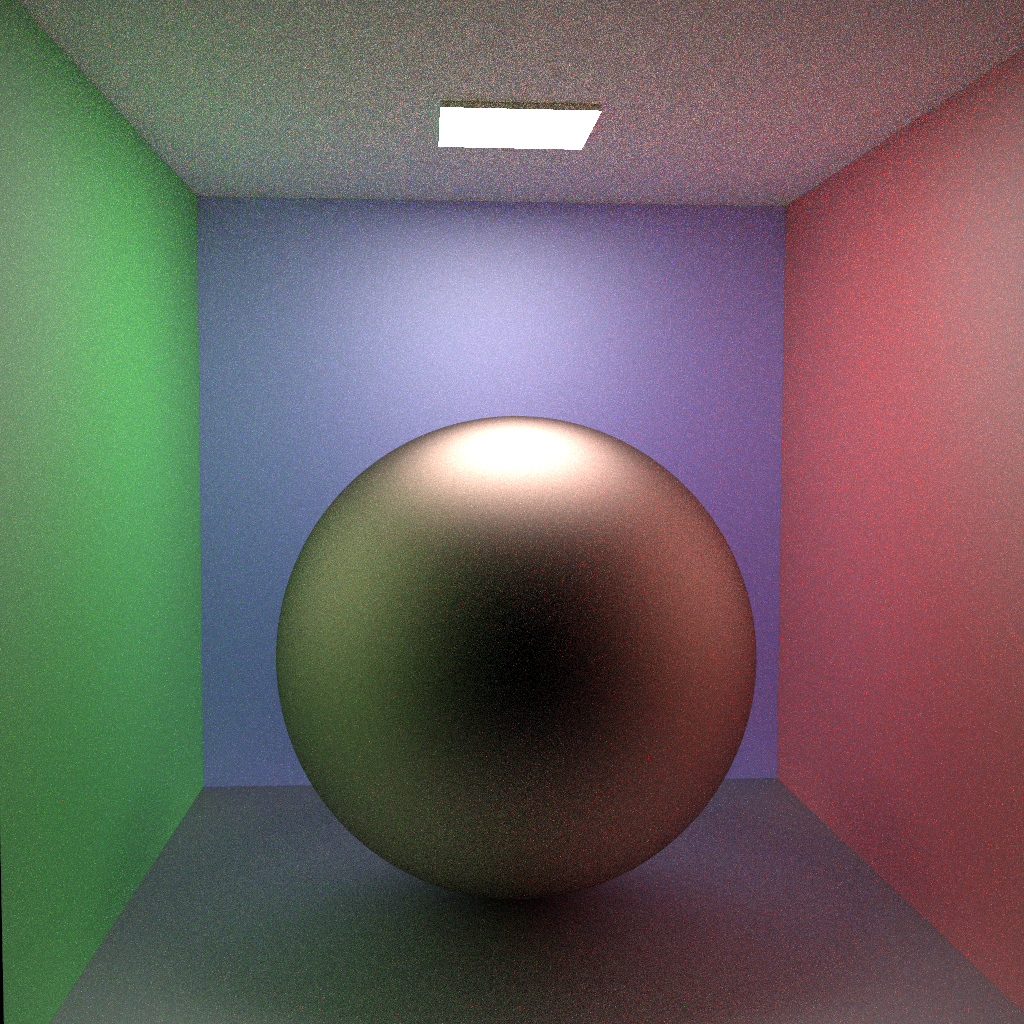
Comparison on a 9 images sequence (scene 0).